3 Tips for Installing Lintels in a Load-Bearing Wall


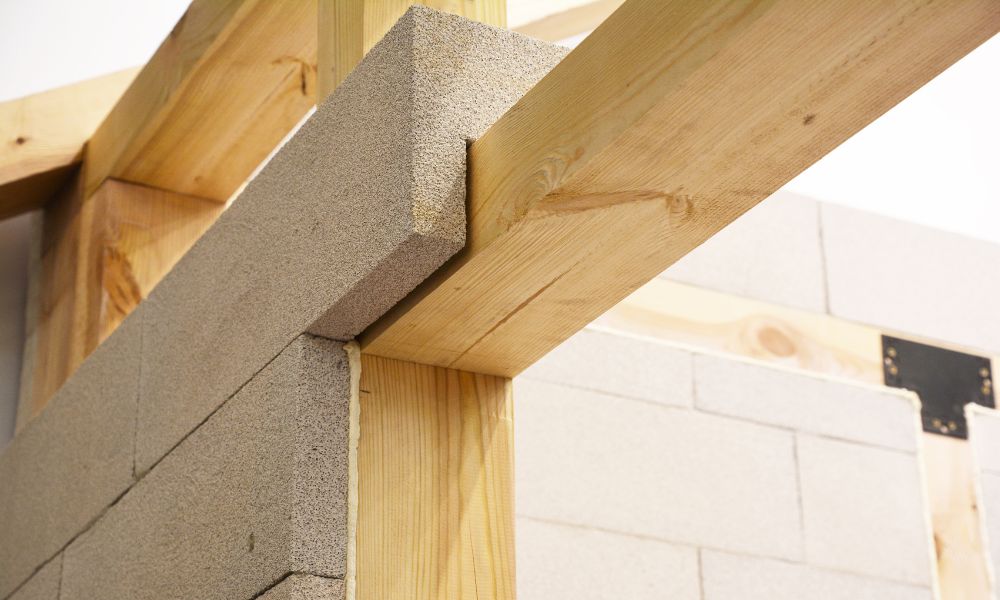
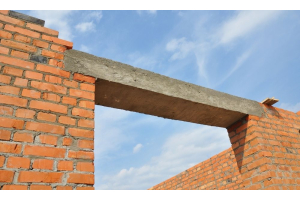
Many people don’t think about the hard work it takes to ensure that a structure’s windows, doors, and walls are supported. Lintels are beams placed above openings to keep the load above from caving in. Different types of lintels are used depending on the building materials to ensure that a building is appropriately supported. However, you may face load-bearing walls working on a residential or commercial building.
Load-bearing walls, or “bearing walls,” are designed to move heavy weight from the roof structure to the floors and foundation. Before you install lintels, you need to know how to identify whether a wall is load bearing and how to calculate a load-bearing wall properly. Let’s explore the three tips for installing lintels in a load-bearing wall to help make the process easier.
Ensure the Wall Is Load Bearing
Before any project, you should always review the building’s blueprints. A non-load-bearing wall is easy to remove since it doesn’t support construction. However, you should know that exterior walls are almost always load bearing. Here are other ways to identify a load-bearing wall:
- If the walls are more than six-inches thick
- If the wall is in the center of the building
- If the wall ends with columns or supports
- If the wall is perpendicular
Always remember to consult with other construction experts before removing a load-bearing wall to prevent injury or the entire structure from collapsing.
Know How Much Lintel Strength You Need
Lintels should support the weight of walls and other structures. Your lintel’s strength depends on your client’s vision and the structure’s location. For example, if your client wants a rooftop bar to hold multiple people, you will need stronger masonry lintels. Your lintel’s strength depends on the supporting wall’s strength, calculated by the load-bearing wall.
Verify Your Wall Calculations
The most important tip for installing lintels in a load-bearing wall is to verify your calculations. You must prepare your team thoroughly to ensure that everything adds up. Many factors, like the supports, load, and material characteristics, can contribute to the beam’s weight capacity. Verifying your wall calculations with other professionals will help ensure that your structure is safely designed.
We hope our tips help you on your next construction project and make load-bearing calculating much easier. Another way we can make your next design easier is by checking out our inventory of building supplies and tools! Extech Building Materials are always happy to help, so if you have any additional questions or concerns, contact us.
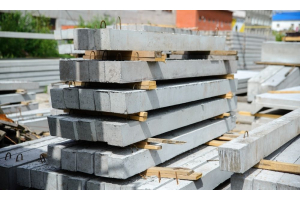
When you have openings in a structure, such as windows, doorways, or fireplaces, it’s essential that you make sure those openings can support the weight above them. In cases like these, where you need to guarantee structural stability, you must employ lintels and headers.