The Pros & Cons of Using Concrete Lintels in Construction



Lintels play a key role in a building’s construction. A lintel is a beam that connects the gap between two vertical columns. This article will explore the purpose, pros, and cons of using concrete lintels in construction.
What Are Lintels?
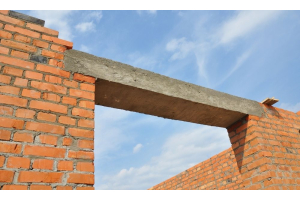
A lintel is a beam structure placed across windows, doors, and other openings in buildings to support the weight of the structure above. Doors and windows are not load-bearing structural elements of a building, so because of their openings, there is a concentrated weight above the space that must be supported.
Most lintel structures are found in brick or other masonry designs. If your building or home is built with masonry block or brick, then lintels are most likely between the window or door and the brick above the opening.
Different Types of Lintels
Although we’re concentrating on precast concrete lintels, there are six different types of lintels you can use depending on the availability and cost of the materials.
- Steel lintel
- Brick lintel
- Stone lintel
- Timber lintel
- Reinforced brick lintel
- Concrete lintel
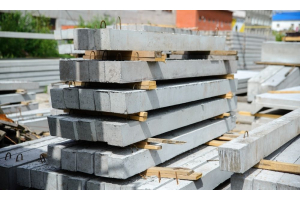
Precast Concrete Lintel
Precast concrete lintels are a popular and common way to uphold heavy loads and larger spans. However, these lintels are typically used when the lintel span is smaller. Concrete lintels are adaptable, durable, rigid, and strong but are also economical and easy to use during construction. But they are also fragile in terms tensile strength, so main support bars are used at the bottom to resist tensile stress.
Like many building materials, there are advantages and disadvantages to their use. Below are the pros and cons of using concrete lintels in construction, so read on to help you choose the best material for your building.
Precast Concrete Lintel Advantages
Using precast concrete lintels has many advantages and perks for those who want to cut costs and time and provide a durable structure. Below are a few pros of using concrete in construction.
- Precast concrete saves construction time and reduces the risk of project delays. Precast concrete casting can also be worked on during other jobs on-site, such as surveying and earthwork.
- You don't have raw materials in stock when working with precast concrete. This reduces the need for props, extra workers, and traditional formworks—providing a safe working platform.
- Since this construction process is more simplified with precast concrete, this reduces costs and increases productivity, quality, and safety.
- Precast concrete is prefabricated in a controlled environment, meaning it features many combinations of textures, colors, shapes, and sizes, which increases aesthetic value.
- Precast concrete has a more extended life span and needs minimal maintenance. Since this material is high density, precast concrete is more resistant to corrosion, reduces surface voids and acid attacks, and repels dust accumulation.
- Manufacturers can monitor precast concrete's curing, temperature, mix design, formwork, etc.
- Precast concrete lintels can span up to 40 meters between columns without beams.
- These lintels are fire resistant.
Precast Concrete Lintel Disadvantages
There are a few disadvantages to using precast concrete lintels.
- Heavy and expensive machines are essential when installing a precast concrete lintel, which requires a high initial investment. Large-scale projects must be available to ensure profit.
- It is difficult to modify the structure after installing precast structures. If a wall needs to be dismantled for modification, it will severely impact the stability of the overall building.
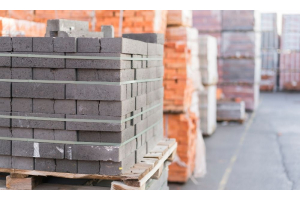
- The construction site is not, of course, located at the precast concrete manufacturer's building. The precast parts must be carried to the construction site using trailers. In most cases, to reduce the cost of precast concrete, transportation costs are the first to go.
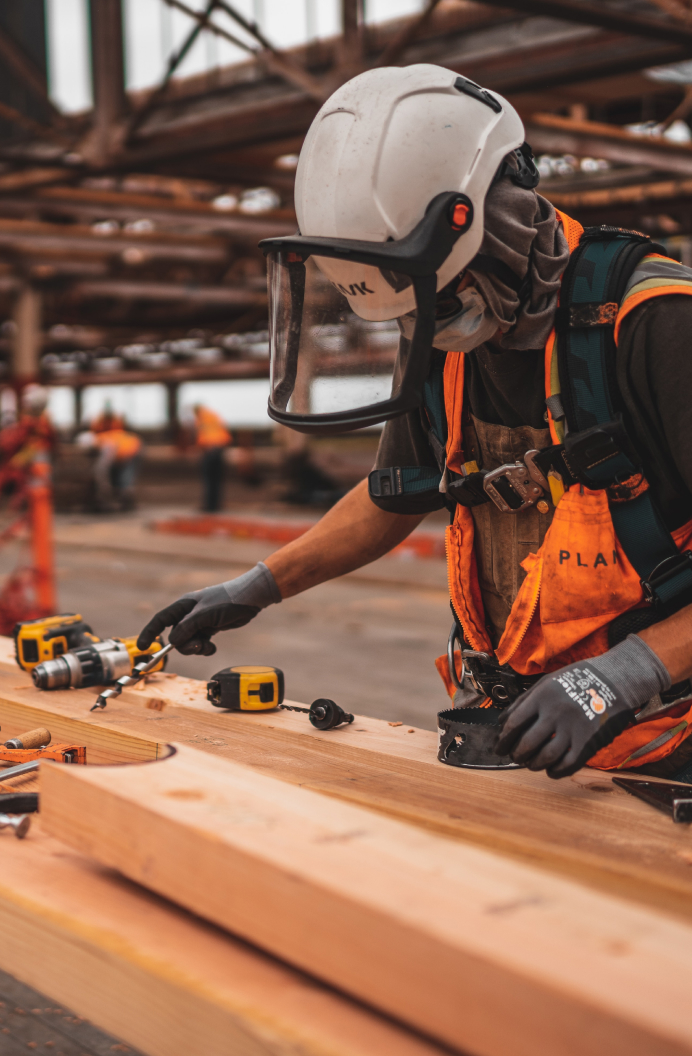
- Proper care and safety measures must be taken when handling precast concrete. Typically, precast parts are heavy and large, making them challenging to manage without potential damage.
- Properly putting together the precast members is crucial for ensuring a solid structure. The connections between the structural members must be supervised and properly installed to prevent water leakage, failed sound insulation, and other preventable problems.
Frequently Asked Questions About Precast Concrete Lintels
Whatever your role in the supply chain, there are a few frequently asked questions you should ask before purchasing your lintels. At Extech Building Materials, we can provide transparent information about quality, delivery, price, or other inquiries.
If any supplier is unwilling to answer any questions, take that as a significant red flag and use a reliable supplier.
Q. Can steel and concrete be used together?
A. Yes, the use of concrete and steel is the most cost-effective solution. Steel and concrete can also provide outstanding thermal efficiency.
Q. Why should I choose concrete over other materials?
A. Concrete lintels are typically considered less expensive, but the price is not the only reason why contractors favor concrete over other materials. Concrete lintels can be manufactured with the option of being in a visible area for those going for an industrial aesthetic, while materials like steel don't have that option because they are manufactured within the wall.
Q. What are the signs of lintel failure?
A. There are various reasons why lintels fail. Over time, lintels will succumb to old age and deteriorate. It is normal to have lintels upgraded and replaced on older buildings. However, there are some reasons why your lintels are deteriorating, including:
- Corrosion on materials
- Window and door replacement
- Structural movement
- Exposure to moisture
Common indicators that your lintel is failing:
- Your windows and doors are harder to close
- Cracks start to appear on your walls
- You can see that your lintel is damaged
Q. How do I choose the correct lintel?
A. Concrete lintels are “universal” and can be used in different structures, so they are a popular choice. However, choosing the suitable lintel material requires establishing the construction material, determining the opening's width, and calculating the building’s load.
Although there are six different types of lintels, concrete lintels are the most durable, adaptable, and economical options for you to choose for your next building project. Contact us at Extech Building Materials to ensure you’re provided with top-notch materials, excellent service, and the necessary information to move forward.
For further information or assistance, do not hesitate to contact us!

When you have openings in a structure, such as windows, doorways, or fireplaces, it’s essential that you make sure those openings can support the weight above them. In cases like these, where you need to guarantee structural stability, you must employ lintels and headers.