Lintels vs. Headers: What’s The Difference?



When you have openings in a structure, such as windows, doorways, or fireplaces, it’s essential that you make sure those openings can support the weight above them. In cases like these, where you need to guarantee structural stability, you must employ lintels and headers.
While they are similar in many ways, it’s important to know the differences between lintels and headers to make the best decisions possible while on the job.
What Are Lintels?
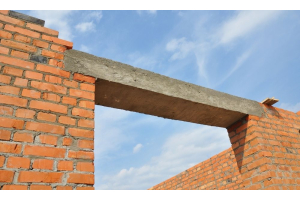
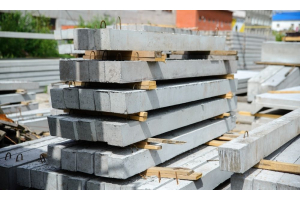
Lintels are beams that contractors place across the tops of doors, windows, and other openings to support the weight from above. With these openings, the weight from above exerts pressure. Without that support, the weight would come crashing down. The lintels serve as the horizontal support to hold that weight and protect structurally vulnerable areas of a building.
What Are Headers?
Headers serve much the same purpose as lintels, but there are a few key differences that make them unique. The first distinction regarding headers is, while contractors can place them above an opening to support the weight, contractors can also install headers below the opening. Placing the header below further helps distribute the weight, lessening the load for the opening to carry.
The second difference is that headers don’t have as much aesthetic versatility as lintels. When a contractor installs a header, it’s typically only one shape. With lintels, it can take on different styles to increase a building’s aesthetic value.
Choose the One Best for The Job
While they serve mostly the same purpose, it’s critical to know the differences between lintels and headers. Lintels offer more freedom with design, while contractors use headers primarily as the support structure the building needs. Both do their jobs, but it is up to the individual to determine which one they want to incorporate.
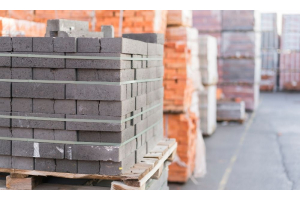
Partnering with concrete precast lintel suppliers can further streamline contracting jobs, cutting down on project times and easing much of the frustration of keeping processes in-house.
When you have openings in a structure, such as windows, doorways, or fireplaces, it’s essential that you make sure those openings can support the weight above them. In cases like these, where you need to guarantee structural stability, you must employ lintels and headers.