Common Applications for Geotextile Drainage Fabrics


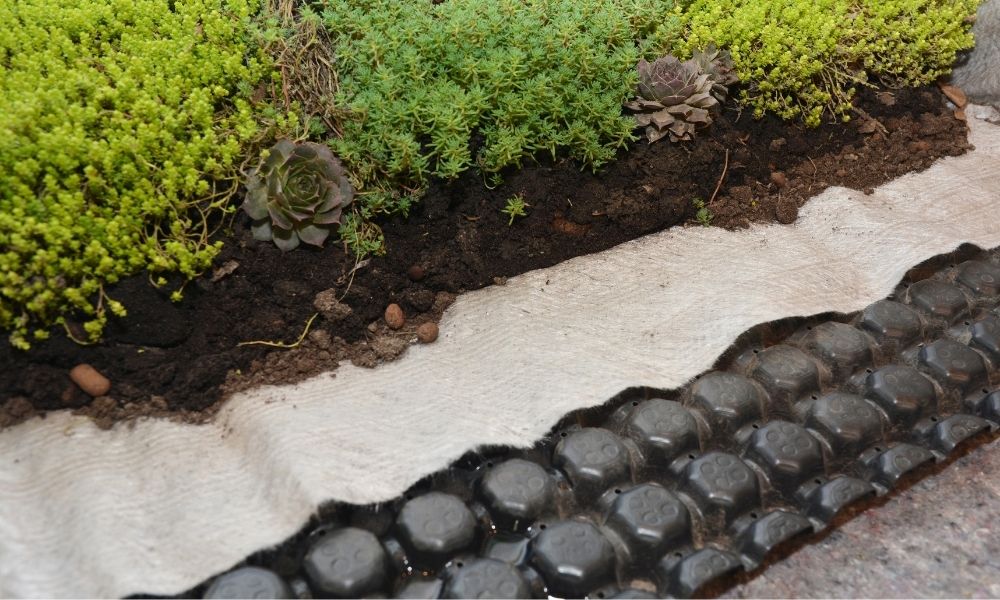
When dealing with landscaping projects, it’s essential to control and manipulate the soil, whether that means strengthening, stabilizing, or draining it. To accomplish these tasks and more, landscape contractors utilize geotextiles to get the results they need based on their project goals.
These landscape fabrics offer a wide variety of uses and play a key role in preserving landscapes during reconstruction. For any landscape designer or contractor, it’s a necessity to understand the common applications for geotextile drainage fabrics.
Make projects more successful and streamline processes through the use and knowledge of landscape fabrics.
What Are Geotextiles?
Before diving into the applications, it’s important to know what exactly a geotextile is. This kind of foundational knowledge can inform future uses of the material, enhancing landscape design and helping to prevent land erosion and failure.
A geotextile is a permeable fabric, meaning the fabric has small pores for gases and liquids to seep through, that is able to separate, filter, reinforce, or drain soil. There are many different kinds of materials to accomplish these goals (which we will get into later), but landscape fabrics have several uses. Because geotextiles need to put up with potentially harsh conditions, they’re extremely durable, long-lasting materials.
What Kind of Materials Make Up Geotextiles?
Because geotextiles have so many applications, there are several different materials that landscape contractors use to get the results they need. Some of these materials include the following.
Polyesters
As one of the more common materials for geotextiles, polyesters provide more strength modulus, skulk resistance, and increased chemical inertness, making them safer to use. These qualities make polyesters a good all-around material to use due to their wide applications for many different jobs.
Polyethylene
With three primary forms, polyethylene geotextiles come in low-density, linear low-density, and high-density.
Polyamide
Separated into two different categories, polyamide come sin either nylon 6 or nylon 6.6. Both variations come in a thread-like form, which contractors cut into smaller particles. Due to this process, polyamide has more strength yet smaller moduli than polyesters and other materials. Due to the specialized nature of this material, it sees limited use in landscaping.
The Most Common Applications for Geotextiles
With the basics out of the way, now is the time to understand the different applications for geotextiles. As water-permeable landscape fabric, geotextiles are an essential tool in a contractor’s arsenal, as they help protect soil and combat erosion, among mitigating other risk factors.
Separate Layers of Materials
When dealing with two separate levels of materials, such as gravel over soil, it’s essential to keep those two layers separated. Allowing the gravel to sink lower into the soil layer will only weaken the structure above, resulting in structural compromises.
With the addition of geotextiles between the gravel and soil layer, contractors can prevent that compromising gravel loss. Of course, this is just one common example of this application, and it is something that landscape designers can use for more than just protecting gravel over soil.
Reinforce and Strengthen Landscape Projects
When implementing structures and altering landscapes, it’s important to make sure the surface can handle the added stress. Geotextiles allow contractors to reinforce the land around them, forcing it to act in predictable and reliable ways to further strengthen a structure’s stability and foundation.
Reinforcement can mean several different things in different situations; one common application is controlling the amount of water erosion near sea embankments. Or, if contractors need to work with steep slopes, the geotextiles can strengthen the surface for reliable construction.
Stabilize Soil and Surfaces
Contractors need to make the ground suitable for construction, whether that be for buildings, roads, or other landscape designs. But not all soil can reliably withstand the stresses of construction work; the pressure can cause soil to shift and move underneath a structure.
There are a number of different reasons why the ground may weaken over time, but geotextiles can combat one of the most common causes—water leakage.
Water can seep through the layers to turn the soil underground soft, and that softness can lead to a shifting surface. Landscape fabrics prevent that kind of moisture from entering, protecting the soil under a structure and allowing it to remain intact.
Add Some Much-Needed Filtration
With filtration, geotextiles need to allow water to pass through, transporting the liquid to another location while preventing other fine particles and sediment from escaping. Allowing these particles to escape can cause landscape erosion, but the geotextiles keep the soil and other sediments in place.
Water passes through without trouble, while at the same time protecting the land and keeping the important soil layer from escaping and running out along with the liquid.
Use Fabrics for Drainage Purposes
Geotextiles can be either permeable and impermeable, meaning that they can either let water through or prevent it from passing through. When you need to drain water from a specific area without letting it sink deep into the ground, you can select geotextile that doesn’t let water penetrate the fabric. As a result, these types of landscape fabrics serve as drainage systems, transporting water and other liquids from one location to another more desirable location. Contractors don’t just need waterspouts to channel water, but geotextiles can get the job done while still preserving the landscape.
Get the Geotextiles You Need
Serving many functions, landscape fabrics have an integral role when it comes to landscape and construction work. Contractors need to implement these fabrics into their designs to ensure that they have the support, stability, and reliability they need to facilitate quality projects.
Always make sure you have the best landscape fabrics for your current project; with so many varieties available, you need to make the right decision. Whatever the job may be, whether you need to allow water to pass through or prevent liquids from getting deep into the soil, know what you need.
Investing in the wrong type of geotextile can have severe ramifications later down the line. Even if the fabric lets through a small amount of moisture, it can be devastating if you need to prevent any and all moisture from getting through.
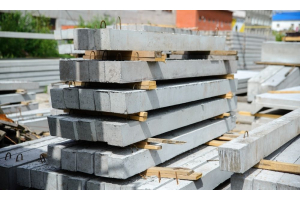
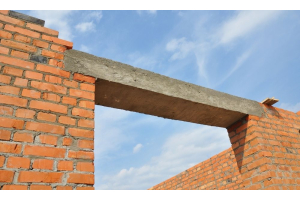
When you have openings in a structure, such as windows, doorways, or fireplaces, it’s essential that you make sure those openings can support the weight above them. In cases like these, where you need to guarantee structural stability, you must employ lintels and headers.