Important Waterproof Considerations During Construction


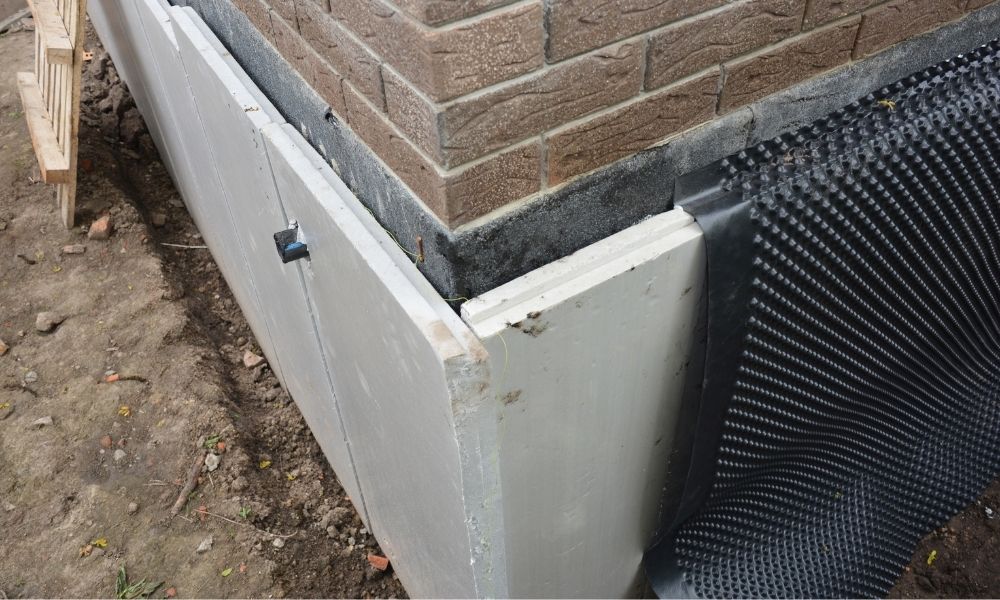
Whether you are building your dream home or the perfect workspace, your biggest priority is creating a safe space with a low percentage of risks and issues down the line. Your architect must examine certain factors to ensure that all waterproofing issues are appropriately addressed and preventable. Here are a few important waterproof considerations during the construction process.
What Can Your Occupied Space Handle?
It would be best to consider how prone your occupied space is to leaks and how sensitive it is to humidity. There are occupied spaces where leaks can cause severe damage. Areas such as book or art storage rooms, computer rooms, medical facilities, or electrical rooms are intolerable to leaks.
These types of areas require strict humidity control. Therefore, proper membrane design for these spaces needs positive side waterproofing with a low vapor-permeable membrane.
Consider the Structure's Water Table Level
Your structure's water table level is an important waterproof consideration during construction. Checking the water table level will determine if waterproofing is required. Waterproofing is applied to all below-grade membranes where the groundwater table is six inches below the ground.
Proper waterproofing designs should be contingent on the maximum water table level for the space.
Analyze the Soil Before Choosing a System
Before selecting a waterproof system, one element you should consider is the soil and its characteristics. Chemicals in the soil can affect the materials in many ways. Acids and alkaline in groundwater can promote the deterioration of concrete and steel bars.
If your water has high salt levels, your steel bars can corrode. Sulfurs have an adverse reaction to Portland cement, causing stress and spalling. It's wise to analyze the soil and understand the characteristics because using a material that may not mesh well with the environment.
Risk vs. Cost: Which Is More Important?
Your waterproofing designer should always put your safety first and minimize risks despite costs. If a contractor or building owner decides to cut costs, you should not eliminate or downside the price for the waterproofing system.
The cost for repairs exceeds the original price of waterproofing!
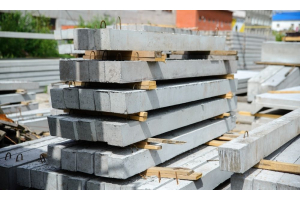
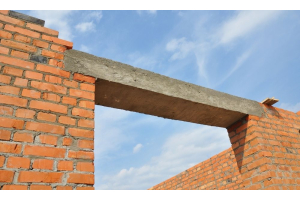
When you have openings in a structure, such as windows, doorways, or fireplaces, it’s essential that you make sure those openings can support the weight above them. In cases like these, where you need to guarantee structural stability, you must employ lintels and headers.