Prefabricated Sheet vs. Fluid-Applied Membrane Waterproofing



In any commercial or residential building, there are two materials that can help keep moisture out and protect the structural elements of the building. Without prefabricated sheets or fluid-applied membrane waterproofing, buildings with porous materials like concrete will get damaged over time. This raises the cost of repairs and maintenance.
Although both materials get the job done, how do you know which to choose for you? Keep reading to help you decide which material is best for your next project.
Prefabricated Sheet
A below-grade waterproofing membrane that comes in sheet rolls is called a prefabricated sheet. The categories of many types of waterproofing sheets come from how they adhere to the building’s structure. Professionals commonly apply this waterproofing material with an adhesive backing and mainly use it in upscale projects or exposed areas.
Pros
Prefabricated sheets have a consistent thickness because they come in rolls. This allows them to make the waterproofing job look uniform and even. These sheets helps you get exact coverage since the manufacturers state the measurements per roll. Also, people use prefabricated sheets in exposed, high-traffic areas. Therefore, they can work in various weather conditions.
Cons
Unfortunately, there are a few cons to using prefabricated sheets, including the fact that you have to cut and piece together the fabric to cover your space. While putting this together, you must also ensure that you’re paying close attention to sealing the seams. This takes skills, which is why the application process can be costly.
Fluid-Applied Membrane
A fluid-applied membrane is a waterproofing method in liquid form. A roller, brush, or spray can help apply it. The membrane then cures into a solid. With this method, there’s no need to seal any seams. The result is typically smooth but is best for smaller and intricate works.
Pros
Fluid-applied membranes are easy to install without tedious seam smoothing. Since this membrane is initially in liquid form, it can adhere to any part on the surface, ensuring that you have full coverage. This means that application and repair are easy. Using a roller, brush, or spray, you can apply it in multiple ways.
Cons
There are a few drawbacks with fluid-applied membranes, including the possibility of air bubbles due to poor preparation. The coverage may be easy, but it can be inconsistent, unlike prefabricated sheets. It can also be hard to control the thickness, affecting the drying time.
Bottom Line
Whether you use prefabricated sheet or fluid-applied membrane waterproofing, you must ensure that it protects your building from excess moisture or water damage. Your choice should depend on the structure you’re building or maintaining. This part of the job is imperative, so you should never compromise with it.
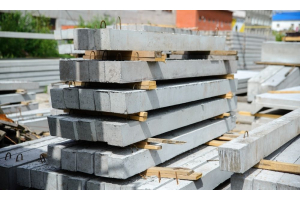
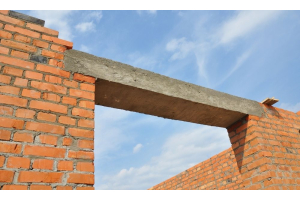
When you have openings in a structure, such as windows, doorways, or fireplaces, it’s essential that you make sure those openings can support the weight above them. In cases like these, where you need to guarantee structural stability, you must employ lintels and headers.