The Four Most Common Types of Landscape Fabric


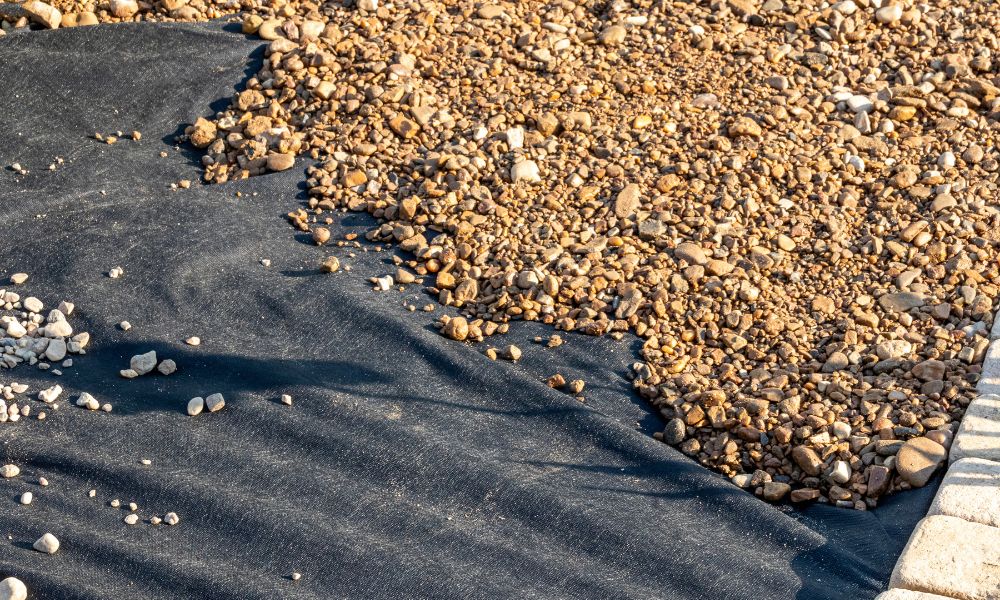
Landscape fabric can be an effective way to limit weeds from growing and keep your landscaping looking clean. This fabric is a material that acts as a physical barrier between the soil and direct sunlight. If you want the best landscaping results, you should know the different types of landscaping fabrics and how to use them.
From creating a cute pathway to your garden to creating a section of colorful plants, let’s discover the four most common landscaping fabrics.
Woven Landscape Fabric
Woven landscape fabrics are made of polypropylene or linen fibers woven together to create a durable, semi-porous material. This type of landscape fabric has small holes that allow nutrients and water to feed the soil while preventing weeds from getting sunlight. Woven landscape fabrics are great for flower beds or plants that aren’t changing often.
Non-Woven Landscape Fabric
Non-woven landscape fabrics are typically polyester or polypropylene and are great for gravel paths or garden beds. This landscape fabric is less permeable than woven fabric, but it will protect your soil from foreign objects or excess water. However, non-woven fabrics prevent nutrients from making it to the soil.
Spun Landscape Fabric
This version of non-woven fabric is made from layers of bonded polyester fibers making the material heavy-duty and difficult to tear. Spun fabrics can vary in thickness and usage. The thinner versions of spun fabric are porous but still durable. This fabric is highly versatile and works best as a barrier to protect your plants from pests, insects, and weeds.
The thicker version is the perfect drainage fabric that works great for irrigation while warding off weeds and preventing excess water.
Perforated Landscape Fabric
Perforated landscape fabrics are lightweight, affordable, and designed with pre-cut holes to place your plants. Since perforated landscape fabrics are light, these fabrics won’t harm the plant’s roots and are easily installed. Botanical and vegetable gardens commonly use this type of fabric; however, perforated materials shouldn’t be used in areas with heavy traffic or animal activity.
Landscape fabric can be a great benefit to your garden and landscaping projects. Find the perfect material for landscaping using our list of the four most common types of landscape fabric or by checking out our online store. Don’t hesitate to contact us with any additional questions or concerns.
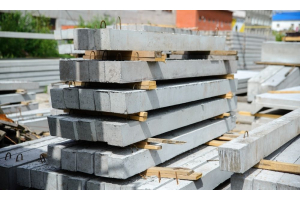
When you have openings in a structure, such as windows, doorways, or fireplaces, it’s essential that you make sure those openings can support the weight above them. In cases like these, where you need to guarantee structural stability, you must employ lintels and headers.