The Various Types of Walls Used in Construction



During construction, contractors have many types of walls they can incorporate into their designs. Understanding the various types of walls used in construction is essential to ensure a building’s structural integrity. Know what to implement into your designs and have the safest and most efficient use of your materials.
Load-Bearing Walls
One of the most crucial wall types to get right during construction is load-bearing walls. These walls are support structures that keep a building from buckling. These types of walls are incredibly strong and can hold up massive amounts of weight.
Interior load-bearing walls hold up the floors above them, ensuring that they don’t come crashing through the ceiling. Exterior load-bearing walls disperse the weight from the roof down to the foundation. This makes sure that the exterior walls don’t bow outward due to the strain of the weight.
Once installed, load-bearing walls are essentially permanent structures. They are a vital part of holding a building together. However, there are temporary alternatives to support a structure’s weight if remodeling requires you to remove a load-bearing wall, but it is a challenging process.
Non-Load-Bearing Walls
Not all walls are critical to maintaining structural stability. Non-load-bearing walls are mostly decorative or serve as partitions. When contractors want to break up rooms, non-load-bearing walls are the ideal solution. They are easy to install, and future remodelers can easily take them down.
Shear Walls
Just as load-bearing walls stabilize a structure vertically, shear walls stabilize it horizontally. Strong winds and seismic activity can shake a structure. That horizontal pressure can weaken buildings that don’t have adequate protection with shear walls.
All structures should have exterior shear walls, but larger structures need them, especially in areas with the greatest seismic activity. Because of how important they are to a building’s integrity, contractors and remodelers can’t remove them, or else they risk creating an unsafe structure.
Make Sure Your Structure Has the Support It Needs
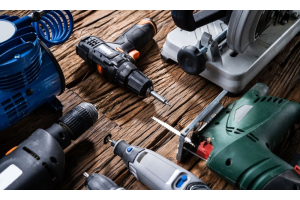
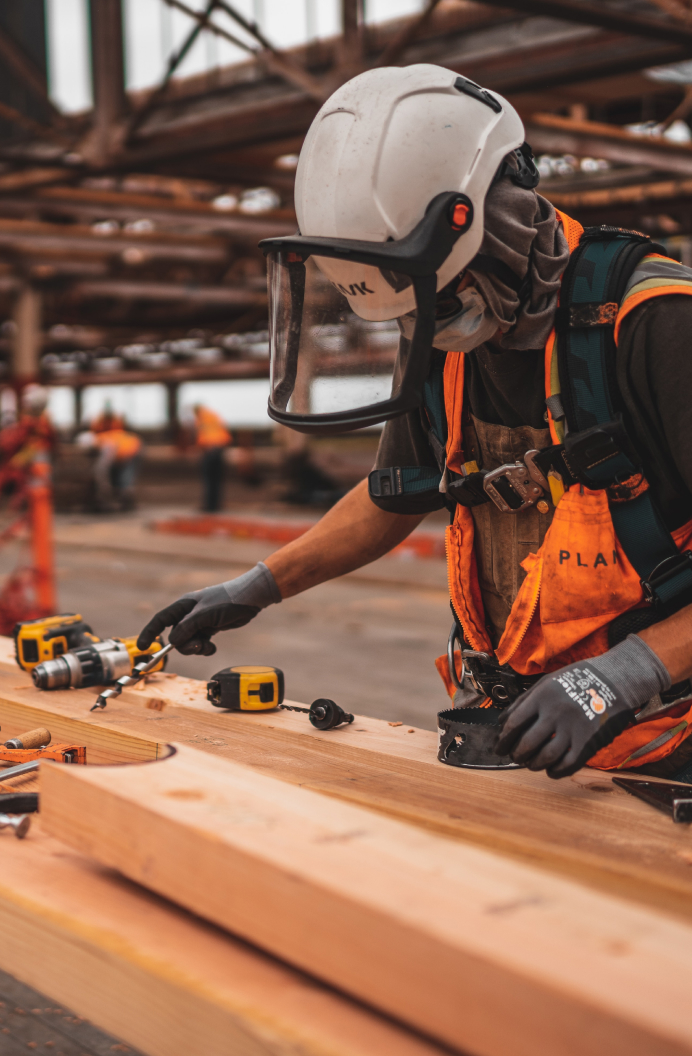
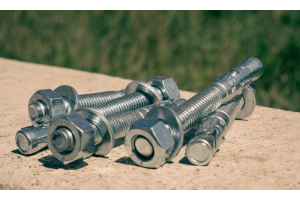
Ensuring structural stability is a contractor’s top priority. They must implement the necessary design choices to keep a structure standing. Knowing the various types of walls in construction is one part of that, but contractors also need the right tools for the job. Having the proper tools and constructions fasteners is essential to maintaining building quality—don’t go into a project with less-than-ideal gear.
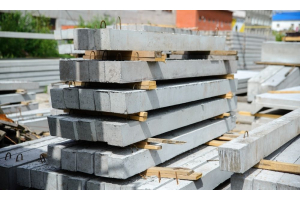
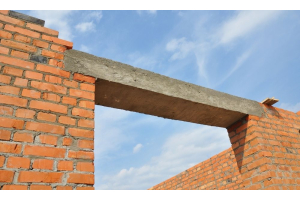
When you have openings in a structure, such as windows, doorways, or fireplaces, it’s essential that you make sure those openings can support the weight above them. In cases like these, where you need to guarantee structural stability, you must employ lintels and headers.