3 Ways To Improve a Building’s Structural Integrity



During construction, it’s vital for contractors to ensure that their plans and building methods guarantee safe habitation. Allowing less-than-ideal construction or faulty materials into building design endangers anyone who lives or works inside those structures, an unacceptable scenario. Contractors must be aware of several ways to improve a building’s structural integrity.
Anti-Seismic Bricks
Depending on the local risk of seismic activity, it’s necessary for contractors to consider proofing buildings against earthquakes. Periods of seismic activity, even earthquakes that only last a few moments, can be destructive and deadly in worst-case scenarios.
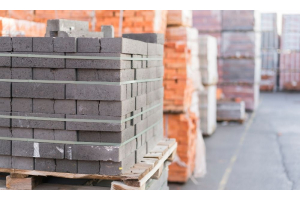
Anti-seismic bricks can absorb much of the horizontal force from earthquakes, decreasing the severity by mitigating the tension. This dispersal of pressure is essential when contractors need to stabilize a building’s interior from outside forces.
Lintels
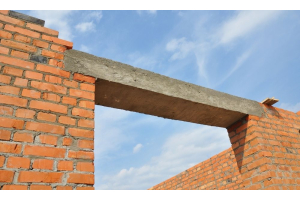
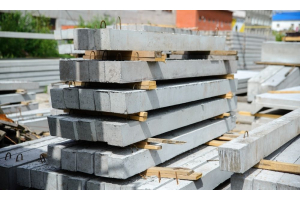
Doorways and other entryways need to support a lot of weight over the threshold, and the pressure can be immense. Due to this weight, contractors need to utilize precast concrete lintels to ensure doorway thresholds can support the load.
Concrete lintels provide enhanced strength, making them ideal as loadbearing installations, as well as an economical alternative to other loadbearing options. Ensure that your building’s structural weak points have the support they need to retain their integrity.
Prefabrication
Designing and creating building components offsite is a safe and effective way of ensuring optimal construction. In a closed environment, building designers can create sturdy pieces for buildings to implement later in construction, fitting the pieces together to create a cohesive whole.
Utilizing prefabrication means taking more time to design and test individual parts of a building, making sure that it can stand up to the everyday pressures it will face.
Utilize the Most Effective Techniques
During design and construction, contractors never want to cut corners or work with inadequate materials. Make sure you have what you need and that you have reliable ways to improve a building’s structural integrity.
When you have openings in a structure, such as windows, doorways, or fireplaces, it’s essential that you make sure those openings can support the weight above them. In cases like these, where you need to guarantee structural stability, you must employ lintels and headers.